
Using Your HSA as a Retirement Plan
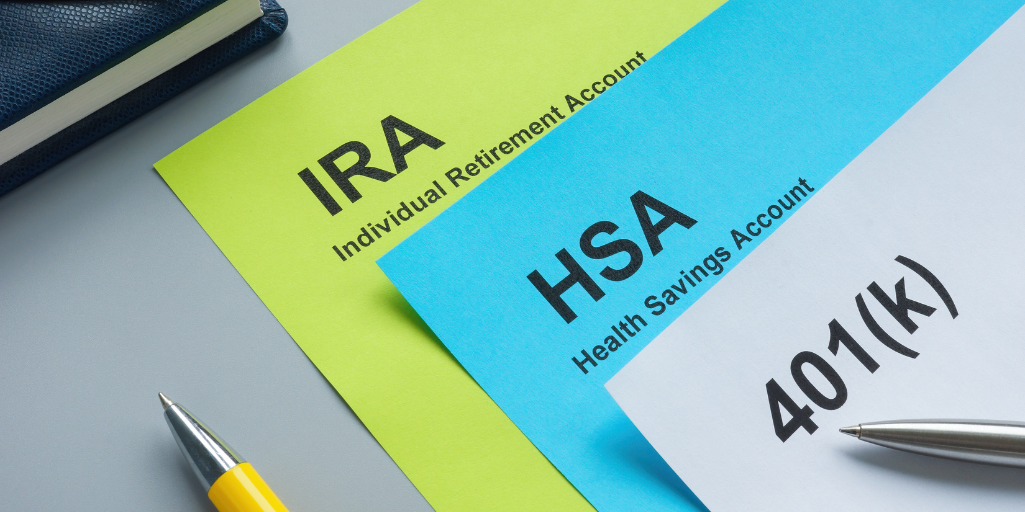
A Health Savings Account (HSA) is usually seen as a tool primarily for managing medical expenses, but it can also be a powerful component of your retirement strategy. Here’s how you can leverage your HSA to boost your retirement savings.
What is an HSA?
An HSA is a tax-advantaged savings account designed for individuals with high-deductible health plans (HDHPs). Contributions to an HSA are tax-deductible, the funds grow tax-free, and withdrawals for qualified medical expenses are also tax-free. This triple tax advantage makes HSAs unique and highly beneficial.
Eligibility and Contributions
To be eligible for an HSA, you must be enrolled in an HDHP. For 2025, the minimum deductible for an individual is $1,650 and $3,300 for a family. The contribution limits for 2025 are $4,300 for individuals and $8,550 for families. In addition, HSA users aged 55 and older can make an extra $1,000 into their HSAs. Contributions can be made by you or your employer and can be made until the tax filing deadline for the year.
Investing Your HSA Funds
One of the key benefits of an HSA is the ability to invest the funds. Many HSA providers offer investment options similar to those available in 401(k) plans or IRAs. By investing your HSA funds, you can potentially grow your savings significantly over time. It’s important to choose investments that align with your risk tolerance and retirement goals.
Using HSA Funds in Retirement
Once you reach age 65, you can use your HSA funds for any purpose without penalty. However, withdrawals for non-medical expenses will be subject to ordinary income tax, similar to distributions from a traditional IRA or 401(k). This flexibility allows you to use your HSA as a supplementary retirement account.
Maximizing Your HSA for Retirement
- Max Out Contributions: Aim to contribute the maximum allowable amount each year to take full advantage of the tax benefits.
- Invest Wisely: Consider investing your HSA funds to grow your savings over time. Consult with a financial advisor to choose the best investment options.
- Delay Withdrawals: If possible, avoid using your HSA funds for current medical expenses. Allowing the funds to grow can provide a larger nest egg for retirement.
- Plan for Medical Expenses: In retirement, medical expenses can be significant. Using your HSA to cover these costs can help preserve your other retirement savings.